Green Initiatives: How E-Waste Recycling Services Are Protecting Our Planet
E-waste poses significant threats to the environment, as disposed electronics frequently harbor hazardous substances. These hazardous substances can contaminate soil and water, resulting in widespread environmental harm. E-waste recycling initiatives provide a practical answer. They not only recover valuable resources but also mitigate pollution. Gaining insight into how these programs function and affect local communities is critical. The path to successful electronic waste management prompts vital discussions about personal accountability and communal efforts. What steps can be taken next?
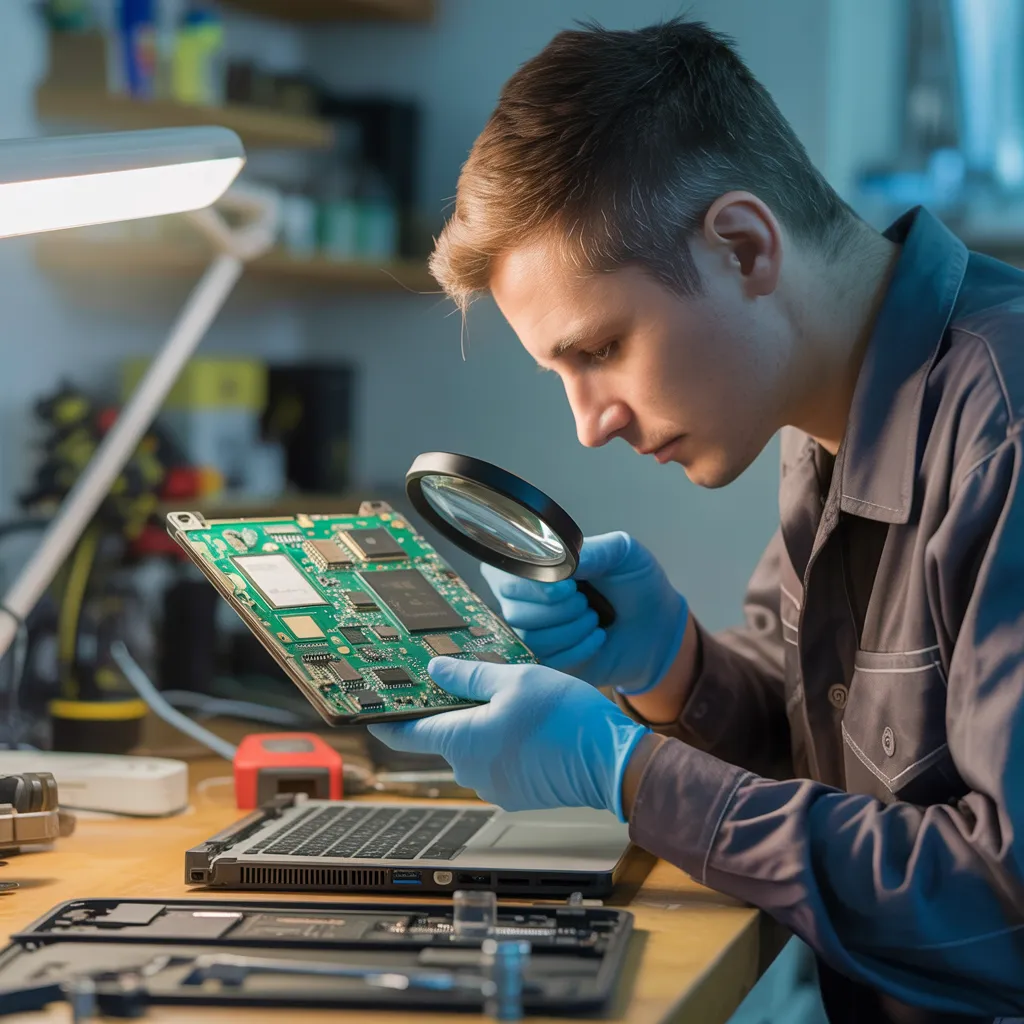
How E-Waste Is Hurting the Planet
While technological advancements improve contemporary living, e-waste creates significant environmental threats. Discarded electronic devices, commonly laden with dangerous compounds like cadmium, lead, and mercury, can leach toxins into groundwater and soil, creating hazards for both wildlife and human well-being. The swift progression of technology results in increased consumer turnover of electronics, exacerbating the accumulation of discarded electronic materials.
Landfills, already strained by waste, are unable to keep up with the rising quantities of abandoned electronics. Incineration, another disposal method, releases harmful pollutants into the atmosphere, contributing to air quality degradation. In addition, improper recycling practices can lead to the exportation of e-waste to developing countries, where laborers may dismantle devices without adequate safety measures, exposing themselves to dangerous substances. This cycle of neglect and improper handling underscores the urgent need for sustainable recycling solutions that can mitigate the adverse effects of e-waste on the planet.
What Is E-Waste and Why Is It Important?
Electronic waste, commonly known as e-waste, encompasses obsolete electronic products including computers, smartphones, and televisions that are no longer functional or needed. This rapidly expanding waste category is noteworthy because of its swift buildup, propelled by advances in technology and evolving consumer behaviors. As more devices become obsolete, the ecological consequences become more pronounced, with harmful substances like lead, mercury, and cadmium threatening both ecosystems and public health.
The significance of tackling e-waste extends beyond minimizing these risks to recognizing the valuable resources it holds. Precious metals and rare earth elements can be recovered and reused, reducing the need for mining and conserving natural resources. By understanding e-waste and its implications, individuals and organizations can make informed decisions about disposal and recycling, ultimately contributing to a more sustainable future. Effective handling of e-waste See the full post is vital for encouraging a circular economy and advancing environmental responsibility.
The Way E-Waste Recycling Functions
The recycling of e-waste encompasses a structured approach designed to recover valuable materials while minimizing environmental impact. At the outset, electronic waste is gathered and delivered to purpose-built recycling plants. After reaching the facility, the devices undergo thorough sorting to isolate dangerous parts from recoverable materials.
Next, specialists dismantle the items, removing plastics, metals, and glass. This phase is essential, as it allows for the reclamation of valuable metals like gold, silver, and copper, which can be recycled in modern electronics.
Subsequently, the divided materials are treated through advanced techniques, such as chemical treatments and shredding, to cleanse them for repurposing.
Finally, the remaining hazardous waste is handled with responsibility, complying with eco-friendly standards. This comprehensive process not only preserves valuable resources but also mitigates the risks connected to improper e-waste disposal, securing a more eco-conscious future for electronic consumption.
Benefits of E-Waste Recycling for You and Your Community
While many individuals may not realize it, the benefits of e-waste recycling extend beyond personal convenience to positively impact entire communities. By properly recycling electronic waste, individuals help foster a safer environment, minimizing toxic components that can seep into soil and water. This forward-thinking practice actively safeguards local ecosystems and promotes public health.
In addition, e-waste recycling promotes the creation of jobs in communities. Local recycling facilities often require personnel for various operations, covering everything from collection to processing, consequently creating meaningful employment for community members. This not only enhances the community economy but also encourages community engagement in sustainable practices.
Furthermore, understanding of e-waste recycling may result in educational initiatives, encouraging residents to embrace sustainable practices. By enrolling in e-waste recycling programs, individuals promote a culture of sustainability, encouraging others to embrace similar practices. Overall, the collective impact of these actions can contribute to a more robust and eco-friendly community.
How to Choose an E-Waste Recycling Service
Choosing the best electronic waste recycling provider is vital for making sure that e-waste is managed with responsibility and sustainability. Initially, individuals should confirm the provider's certifications, such as R2 and e-Stewards certifications, which signify compliance with industry standards for safe recycling practices. It is equally important to examine the organization's credibility by reading customer reviews and obtaining recommendations from trusted sources.
Next, openness in the recycling process is crucial. A reliable provider should offer detailed insights about how e-waste is processed and how the materials are utilized. Additionally, considering the scope of services provided can prove valuable; various firms may supply retrieval services or extend benefits for recycling.
Furthermore, learning about local guidelines related to e-waste disposal can additionally influence the evaluation process. By prioritizing these factors, individuals can contribute to successful electronic waste reduction while supporting eco-friendly habits.
How You Can Get Involved in E-Waste Recycling?
Getting involved with e-waste recycling often starts at the local level, where community recycling hubs frequently offer essential services for responsible disposal. Moreover, joining community awareness campaigns can strengthen efforts to educate others about the importance of responsible e-waste management. These initiatives not only promote sustainability but also cultivate a collective sense of accountability for the environment.
Regional Recycling Centers
Several neighborhood recycling stations play an essential role in the recycling of e-waste, giving communities practical solutions to handle electronic waste in a responsible manner. These hubs welcome a variety of digital devices, including outdated computers, mobile phones, and TVs, guaranteeing that dangerous substances are processed safely. The majority of facilities employ experienced team members who support individuals in understanding proper disposal practices, stressing the significance of recycling instead of landfilling. Moreover, several stations organize scheduled drop-off occasions or specific collection dates, making it easy for residents to participate. By utilizing these local services, community members advance a circular economy, lowering environmental harm and encouraging sustainable habits. Connecting with these stations allows communities to address e-waste pollution proactively.
Community Awareness Campaigns
Nearby organizations, schools, and enterprises can partner to arrange initiatives that encourage e-waste collection drives. Dedicated participants can take a leading part in spreading awareness, distributing educational materials, and engaging with the community. By means of these joint initiatives, residents become more informed and motivated to recycle their electronic waste, ultimately contributing to a more sustainable future.
Answers to Your Most Common Questions
What Kinds of Electronics Can Be Recycled?
Various electronics may be recycled, including laptops, televisions, smartphones, printers, computers, and gaming consoles. Moreover, ancillary devices such as batteries, keyboards, and mice are equally appropriate for recycling, promoting efforts to conserve the environment.
Is There a Cost Associated With E-Waste Recycling?
That's correct, e-waste recycling sometimes comes with fees, based on the service provider. Some facilities apply costs for gathering or treatment, while others make services available at no charge, typically funded by the resale of recovered materials.
How Do Businesses Gain From E-Waste Recycling?
Organizations can gain from e-waste recycling by minimizing disposal costs, strengthening their ecological standing, meeting compliance standards, reclaiming useful materials, and creating potential earnings via resale, ultimately contributing to a more sustainable operational strategy.
What Becomes of Data on Recycled Devices?
Details from recycled equipment is commonly irretrievably wiped or obliterated during processing. This confirms private details is kept safe, preventing unauthorized access while enabling resources to be reused safely and responsibly within new applications.
Are Broken Electronics Eligible for Recycling?
Absolutely, defective electronics can be recycled. Numerous centers process damaged devices, guaranteeing proper disposal and recovery of recoverable materials. This effort helps decrease environmental impact while fostering eco-friendly recycling methods to manage e-waste properly.